

Zosi Learning Blog
Trending Topics
HACCPFood DefenseKosherEMPLeadershipInternal AuditingSQFPCQIStart Defending Your Food System Today with Food Defense Training

Protecting your food operation from intentional harm isn’t optional—it’s essential. With increasing threats from food tampering, sabotage, and agroterrorism, every facility needs a well-defined plan to detect, deter, and defend against these risks. That’s why Zosi Learning’s Food Defense Courses were designed to give you more than just theory, they give you the practical tools […]
Read MoreUnderstanding the Role of the Food Defense Qualified Individual (FDQI) Under FSMA
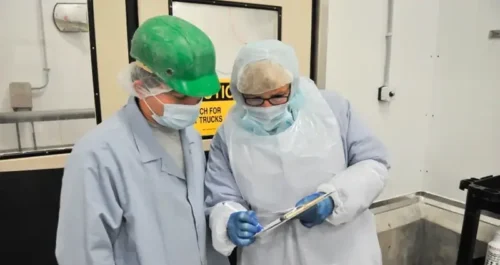
The Food Safety Modernization Act (FSMA) includes the Intentional Adulteration (IA) Rule, which emphasizes the importance of a Food Defense Qualified Individual (FDQI) in protecting the food supply chain from intentional contamination. Unlike Preventive Controls Qualified Individuals (PCQI), FDQIs focus on threats related to intentional adulteration, a unique and vital aspect of food defense. Maintaining […]
Read MoreCreating a Network of Food Defense Partners: A Guide for Manufacturers
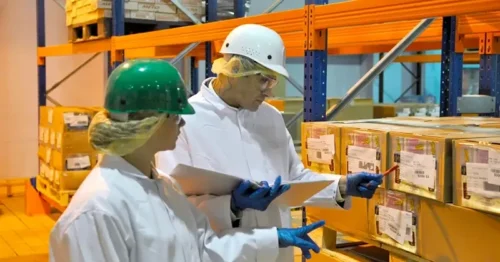
In today’s complex food supply chain, ensuring food defense is critical not only to protect public health but also to uphold your company’s reputation and integrity. While robust internal processes form the foundation of any effective food defense program, establishing strong external relationships is equally vital. These partnerships can enhance your preparedness and response during […]
Read MoreSubscribe to
Insider Insights

Building a Strong Food Defense Culture
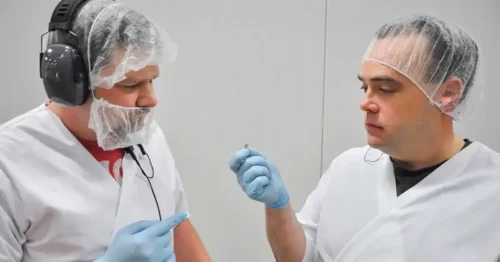
In today’s complex food production landscape, protecting the food supply from intentional adulteration has become a top priority. A strong food defense culture is vital for ensuring this protection—a culture that engages every individual within the facility to recognize vulnerabilities and act decisively when risks emerge. Food defense cannot rest solely on the shoulders of […]
Read MoreTraining and Skills for a New Generation of Food Defense Experts

At a time when the world’s food supply remains fragile and unpredictable, a new generation of food defense professionals is emerging. Many food professionals are taking on this role for the first time or with limited experience. Others lack historical knowledge that left with colleagues during the great resignation. These employees might have experience with […]
Read MoreReinforce Food Defense with Managers, Supervisors and Frontline Employees

Most consumers are generally confident food manufacturers are taking every possible precaution to ensure the safety of the food they put on their tables. Inspections, regulations, and best practices can go a long way to keeping foods safe. But one of the biggest threats remains from within.
Read MoreFood Defense 101: The Three Types of Food Defense Threat Motivations
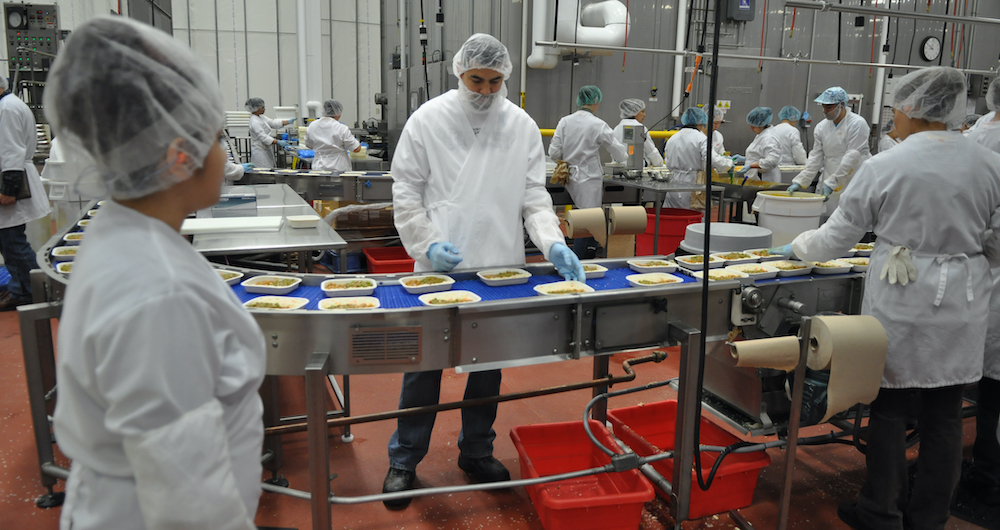
Intentional adulteration is only carried out after careful study and preparation by an attacker – is your food defense program equally prepared to address such acts?
Read MoreFood Defense 101: Understanding Food Defense Roles and Stakeholders
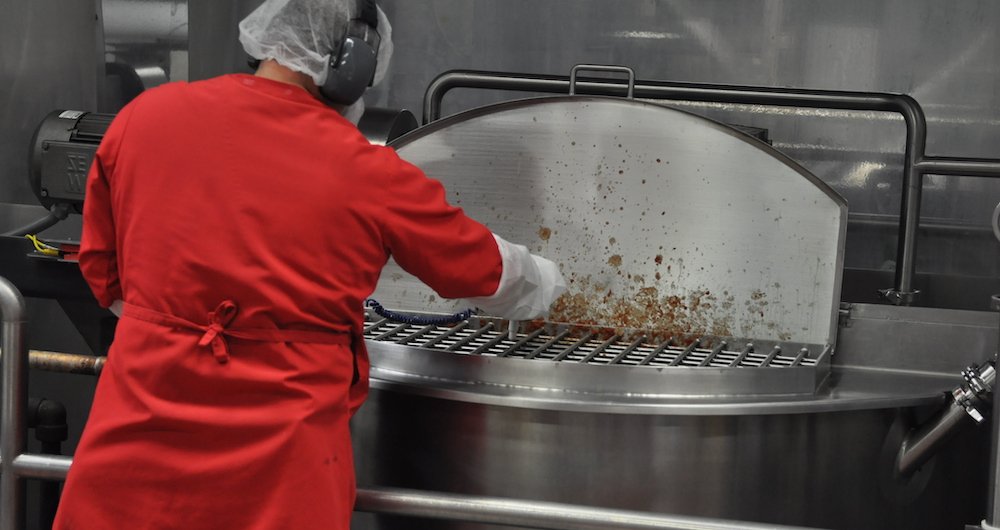
Different professionals from the public and private sectors contribute to food defense. Many of the familiar stakeholders involved in food safety incidents will be required in a food defense incident, but because intentional adulteration is a crime or an act of terror, additional groups will need to be engaged.
Read MoreFood Defense 101: Key Activity Types
Food processors who fall under the Intentional Adulteration Rule (IA Rule) must conduct a vulnerability assessment as part of their food defense plan. A vulnerability assessment measures potential public health impact (e.g. severity and scale), degree of physical access to the product, and the ability of an inside attacker to successfully adulterate your products.
Read MoreWhat is Food Defense Risk Analysis?
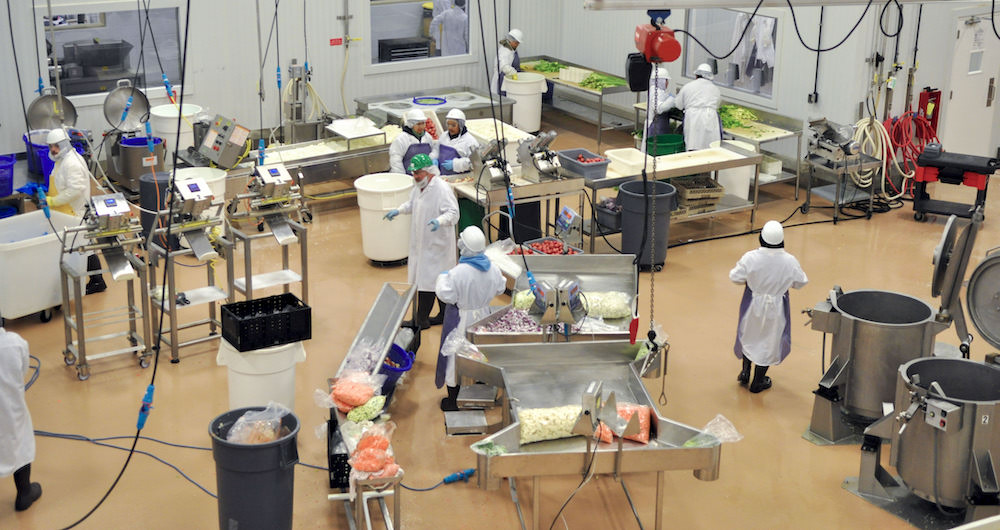
Risk analysis is a process that helps manufacturers identify and manage potential problems in their process or facility. A food defense risk analysis model has three components: risk assessment, risk management, and risk communication. Risk assessment refers to rating the severity and likelihood of a certain hazard or threat. Risk management refers to making decisions […]
Read MoreArming Your Employees to Prevent Food Fraud
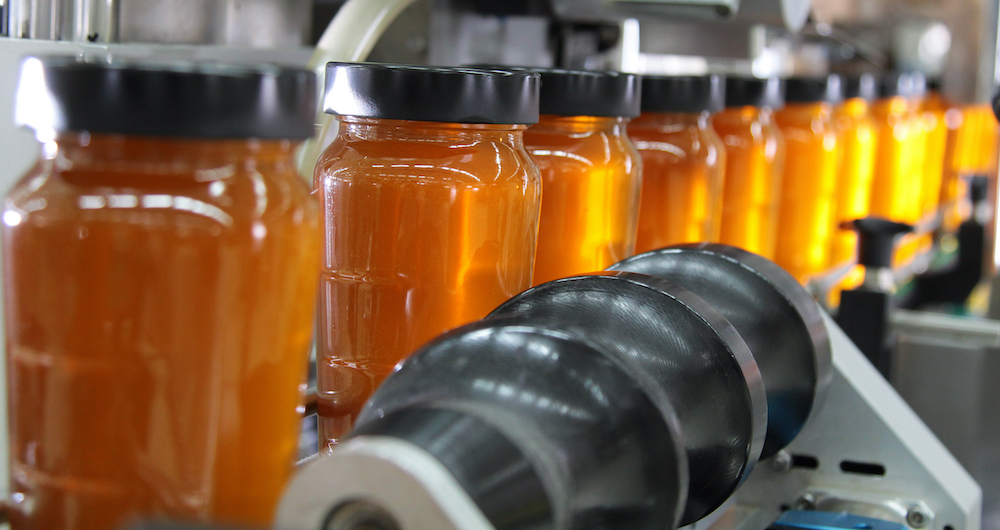
Food fraud is the deception of consumers using food products, ingredients and packaging for economic gain. Although food fraud has only recently received heightened attention, it’s been around a long time.
Read MoreFood Defense Qualified Individual: Everything You Need to Know
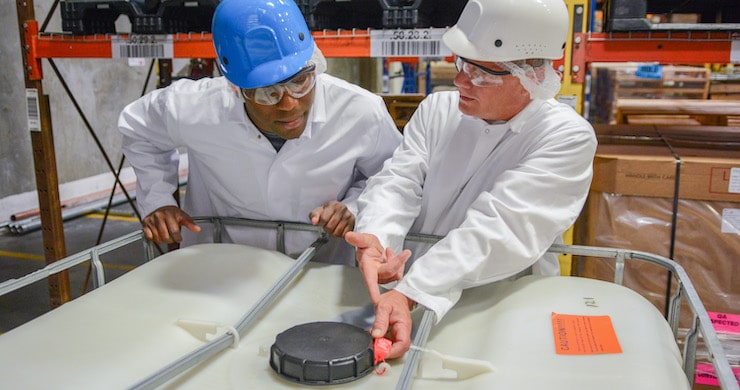
Under the Food Safety Modernization Act Mitigation Strategies to Protect Food Against Intentional Adulteration (21 CFR Part 121) regulation, commonly referred to as the IA Rule, covered facilities must develop and implement a food defense plan.
Read MoreRecognize the Difference Between Food Defense and Food Safety
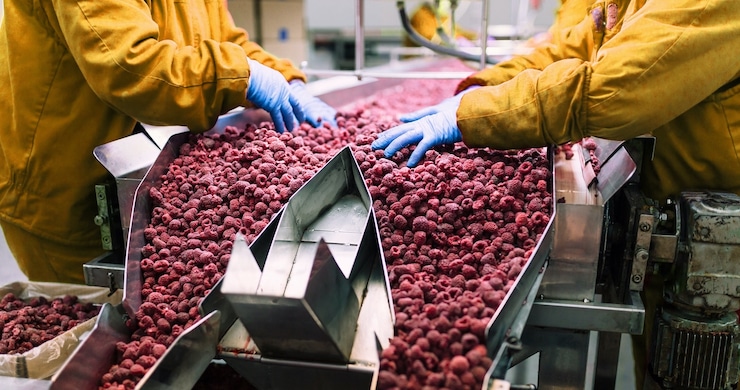
Can you spot the difference between food safety and food defense? While both have an important place in your facility, each presents distinct characteristics and consequences.
Read MoreYour Defense Against Intentional Adulteration
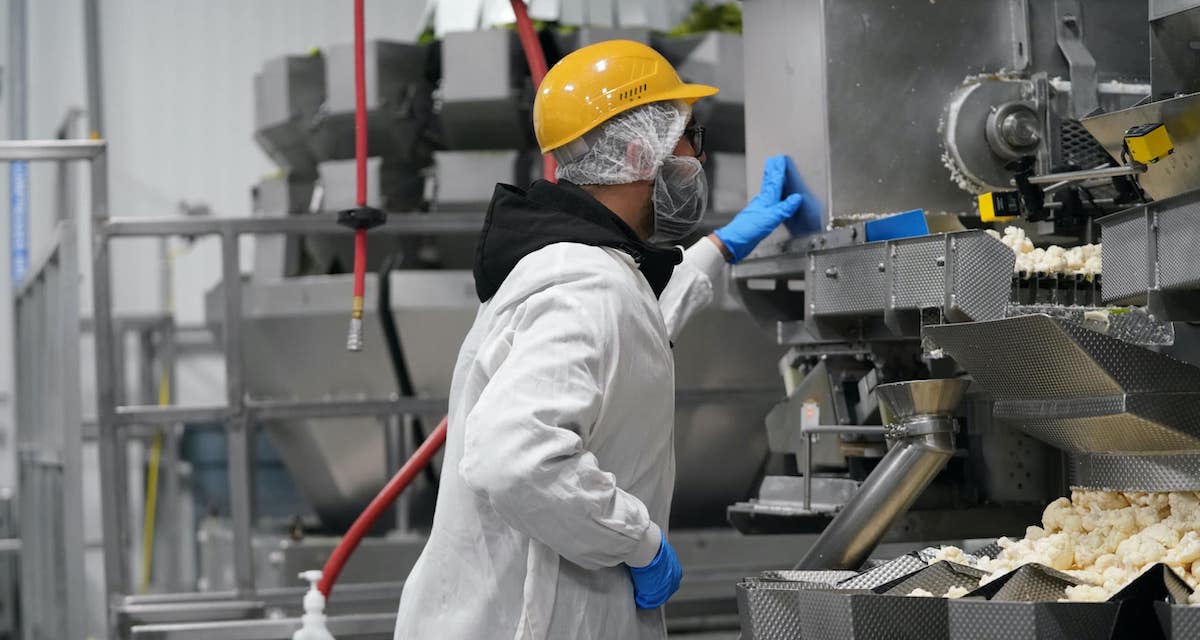
The idea of contaminated food brings up images of court jesters doing taste tests to make sure that kings and queens aren’t poisoned. Stories of intentional adulteration go back hundreds of years.
Read More